

Introduction: DTF printing vs embroidery
Custom t-shirt printing transforms your creative vision into wearable art. Businesses and individuals choose custom apparel to express brand identity and create memorable merchandise. Whether you’re launching a startup, organizing a team event, or creating merchandise for your online store, the right printing method determines your project’s success.
This comprehensive guide explores two dominant techniques in the custom apparel industry: DTF (Direct to Film) printing and traditional embroidery. You’ll discover which method aligns with your budget, timeline, and quality expectations.
Image Alt Text Suggestions:
- “DTF printing process showing colorful design transfer onto white t-shirt”
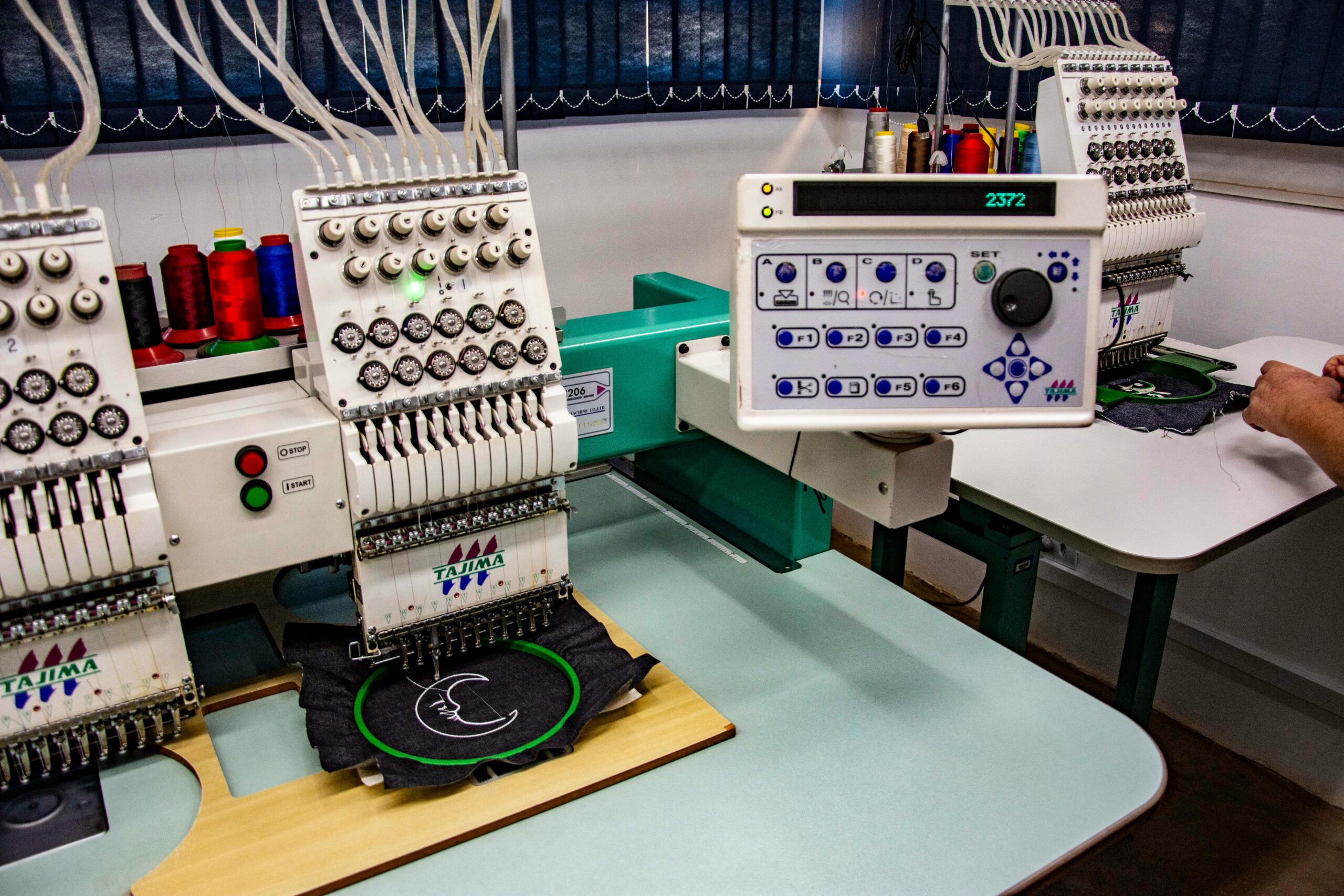
- “Professional embroidery machine stitching custom logo on polo shirt”
- “Side-by-side comparison of DTF printed vs embroidered custom t-shirts”
What is DTF Printing? The Game-Changing Technology
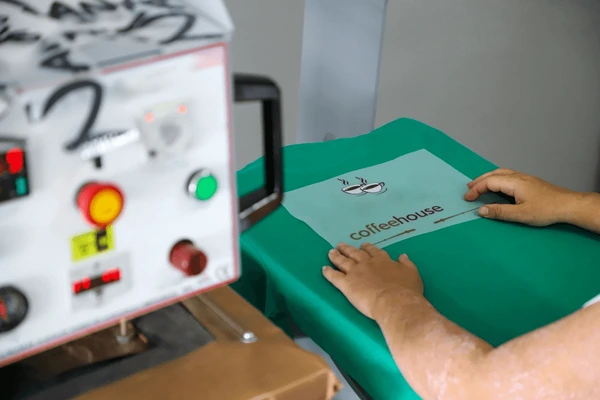
DTF printing represents the latest evolution in custom apparel decoration. This innovative process involves printing designs onto a special film, then transferring them directly onto fabric using heat and pressure.
How DTF Printing Works:
- Design Creation: Your artwork is printed onto a PET film using specialized DTF inks
- Powder Application: Hot-melt adhesive powder is applied to the wet ink
- Curing Process: The film is heated to cure the powder and ink
- Heat Transfer: The design is pressed onto the garment using a heat press
- Film Removal: The carrier film is peeled away, leaving your design permanently bonded
DTF Printing Advantages:
- Unlimited Colors: Print photorealistic images, gradients, and complex designs
- Soft Hand Feel: Modern DTF creates a smooth, barely-there texture
- Quick Turnaround: Perfect for rush orders and small batches
- Versatile Fabrics: Works on cotton, polyester, blends, and even challenging materials
- Cost-Effective: Lower setup costs compared to screen printing
- No Minimum Orders: Ideal for one-off custom pieces
DTF Printing Limitations:
- Durability Concerns: May crack or fade with extensive washing
- Equipment Investment: Requires specialized printers and materials
- Learning Curve: Proper technique is crucial for quality results
Embroidery: The Timeless Art of Thread and Needle
Embroidery has adorned clothing for centuries, evolving from hand-stitched masterpieces to computerized precision. This method uses colored threads to create designs directly on fabric, resulting in a premium, professional appearance.
The Embroidery Process:
- Digitization: Your logo is converted into embroidery machine code
- Hooping: The garment is secured in an embroidery hoop
- Threading: Multiple thread colors are loaded into the machine
- Stitching: The computerized machine follows programmed patterns
- Finishing: Threads are trimmed and the piece is quality-checked
Embroidery Advantages:
- Premium Appearance: Conveys professionalism and quality
- Exceptional Durability: Withstands hundreds of wash cycles
- Texture and Dimension: Creates raised, tactile designs
- Brand Prestige: Associated with high-end corporate apparel
- Versatile Applications: Works on polos, jackets, hats, and bags
- Color Consistency: Thread colors remain vibrant indefinitely
Embroidery Limitations:
- Design Restrictions: Complex images and gradients don’t translate well
- Higher Costs: Setup fees and per-stitch pricing increase expenses
- Minimum Orders: Most shops require minimum quantities
- Fabric Limitations: Challenging on stretchy or delicate materials
Head-to-Head Comparison: DTF vs Embroidery
Cost Analysis
DTF Printing: Lower setup costs, affordable for small quantities, cost-per-piece decreases with volume Embroidery: Higher setup fees, expensive for detailed designs, better value for large orders
Design Flexibility
DTF Printing: Unlimited colors, photorealistic images, fine details, gradients Embroidery: Limited to thread colors, simple designs work best, text and logos ideal
Durability and Longevity
DTF Printing: 20-30 wash cycles with proper care, may crack over time Embroidery: 100+ wash cycles, maintains appearance indefinitely
Turnaround Time
DTF Printing: Same-day to 48 hours for most orders Embroidery: 3-7 days depending on complexity and quantity
Best Applications
DTF Printing: Event t-shirts, promotional items, artistic designs, small batches Embroidery: Corporate apparel, uniforms, luxury items, brand merchandise
Choosing the Right Method for Your Project
Choose DTF Printing When:
- You need vibrant, full-color designs
- Working with tight deadlines
- Printing small quantities or one-offs
- Budget is a primary concern
- Design includes photographic elements
Choose Embroidery When:
- Professional appearance is crucial
- Long-term durability is required
- Creating corporate or team uniforms
- Working with simple logos or text
- Budget allows for premium pricing
Quality Factors That Impact Your Results
DTF Printing Quality Factors:
- Ink Quality: Premium DTF inks ensure better color vibrancy and durability
- Film Selection: High-quality films improve transfer success rates
- Powder Application: Even coverage prevents peeling and cracking
- Heat Press Settings: Proper temperature and pressure are critical
- Fabric Preparation: Clean, lint-free surfaces ensure better adhesion
Embroidery Quality Factors:
- Thread Quality: Polyester and rayon threads offer superior results
- Digitization Accuracy: Professional digitizing prevents registration issues
- Machine Maintenance: Well-calibrated machines produce consistent results
- Stabilizer Selection: Proper backing prevents puckering and distortion
- Tension Settings: Correct thread tension ensures clean, even stitches
Cost Breakdown: What to Expect
DTF Printing Costs:
- Setup: $0-$25 per design
- Per Piece: $3-$8 depending on size and complexity
- Rush Orders: 25-50% surcharge
- Quantity Breaks: Savings start at 25+ pieces
Embroidery Costs:
- Digitization: $15-$50 per design
- Per 1000 Stitches: $0.75-$1.50
- Setup Fee: $25-$50 per design
- Minimum Orders: Usually 12-24 pieces
Maintenance and Care Instructions
DTF Printed Garments:
- Wash in cold water (30°C or below)
- Turn inside out before washing
- Use mild detergent, avoid bleach
- Air dry or low heat tumble dry
- Iron on reverse side only
Embroidered Garments:
- Machine wash in warm water
- Use standard detergent
- Tumble dry on medium heat
- Iron around embroidered areas
- Professional cleaning for delicate items
Future Trends in Custom Apparel Printing
The custom printing industry continues evolving with technological advancements. DTF printing technology improves monthly, with better inks, films, and adhesives extending durability. Meanwhile, embroidery embraces automation and AI-driven digitization for faster, more accurate results.
Eco-friendly options are gaining traction, with water-based DTF inks and sustainable thread options appealing to environmentally conscious consumers.
Making Your Decision: Key Takeaways
Your choice between DTF printing and embroidery ultimately depends on your specific needs, budget, and quality requirements. Consider these final points:
- For maximum design flexibility and quick turnaround: Choose DTF printing
- For premium appearance and long-term durability: Select embroidery
- For mixed requirements: Many successful businesses use both methods strategically
Ready to Start Your Custom T-Shirt Project?
Whether you choose DTF printing or embroidery, partnering with an experienced custom apparel provider ensures professional results. Research local providers, request samples, and don’t hesitate to ask questions about their processes, quality guarantees, and turnaround times.
Your custom t-shirt project deserves the perfect printing method – now you have the knowledge to make an informed decision that delivers exceptional results for your brand, event, or personal needs.

 English
  Français
  Español